


How Tool Coatings Extend Cutting Tool Lifespan in High-Volume Production
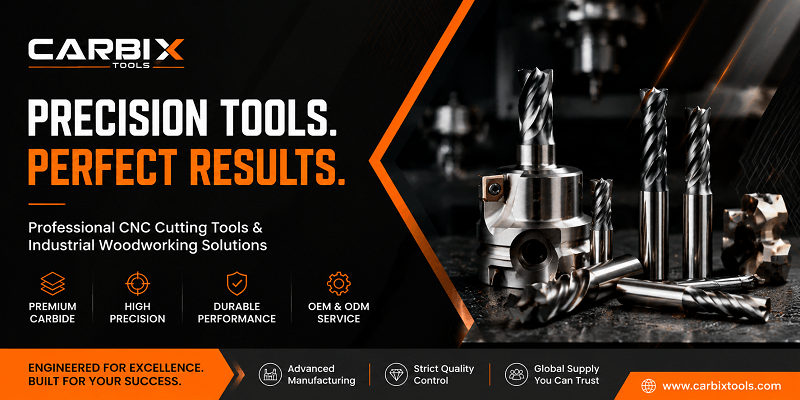
Somewhere between machine specs and material choice, tool coatings tend to get overlooked — which is strange, considering how much influence a thin surface layer can have on how long a bit lasts under real production conditions. If you're running a CNC router for eight or ten hours a day, coating choice stops being a minor detail and starts being a line item on your maintenance budget.
What Coatings Are Actually Doing
A coating isn't paint. It's a thin, hard layer applied to the cutting surface — often titanium-based compounds or diamond-like carbon in premium tooling — designed to reduce friction and resist the heat generated during high-speed cutting. Less friction means less heat, and less heat means the base material, whether carbide or HSS, degrades more slowly at the cutting edge.
Why This Matters More at Scale
For occasional use, an uncoated bit might perform just fine for months. Run that same bit continuously in a production environment, and the story changes fast. Heat accumulation from constant friction is cumulative — it doesn't just affect the current cut, it weakens the tool's structure over time, leading to earlier chipping or dulling. Coated tools push that timeline out considerably, which in a high-output shop can mean the difference between changing bits weekly versus monthly.
The Finish Quality Side Effect
There's a secondary benefit that often gets missed in coating discussions: surface finish consistency. As an uncoated tool wears, cutting quality degrades gradually and somewhat unpredictably — parts made early in a bit's life look different from parts made near the end. Coated tools tend to hold their cutting geometry more consistently across their lifespan, which matters a lot if you're producing parts that need to match visually or dimensionally across a long run.
Not All Coatings Are Equal
This is where buyers sometimes get burned. Cheaper "coated" tools sometimes use thin, low-quality coatings that wear off within the first few uses, offering little real benefit beyond marketing language. A properly applied coating should be measurable in actual cutting hours gained, not just listed as a feature on a spec sheet. It's worth asking suppliers directly what coating process they use and how it's tested.
Factoring Coatings Into Purchasing Decisions
For shops evaluating tooling budgets, coated carbide bits usually represent the better long-term value despite a higher sticker price — provided the coating quality is legitimate. Manufacturers like Carbix CNC that specify coating type and application method rather than using vague marketing terms tend to be more reliable partners for high-volume buyers trying to plan tooling costs accurately.
FAQs
Do coated bits cost significantly more than uncoated ones?
Usually somewhat more, but the price difference is often smaller than the tool-life improvement justifies for regular production use.
Can coatings be reapplied once worn off?
In some cases yes, through specialized reconditioning services, though this isn't universally available and depends on the coating type.
Is coating necessary for occasional or hobbyist use?
Not really. The benefits scale with usage hours, so infrequent users often won't recoup the added cost.
When choosing a reliable tooling partner, manufacturers need suppliers with strong production capabilities, consistent quality control, and customization experience. Carbix Tools specializes in precision cutting solutions and works as a professional CNC Router Bits Manufacturer, providing high-quality router bits and carbide tooling products for woodworking, furniture, and industrial applications. With OEM capabilities and customized solutions, the company helps global customers improve machining efficiency and meet different production requirements.

 English
 Arabic
 French
 Spanish
 Portuguese
 Deutsch
 Turkish
 Dutch
Dutch
 Russian
 Romaian
 Portuguese (Brazil)
 Greek
Greek